


Membership
Learn
Learn

30 items
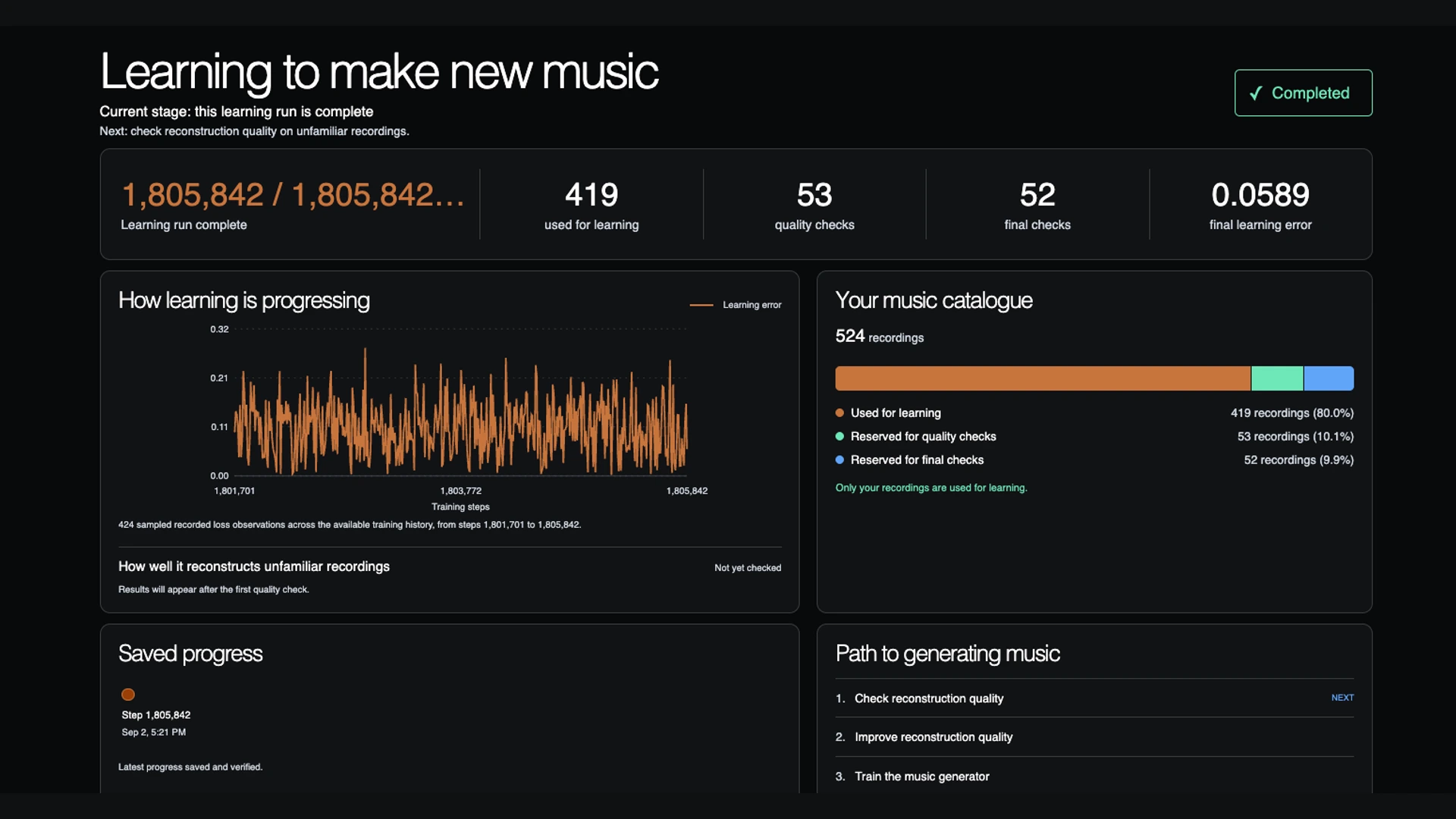
GPT-6 Astra for Professional Musicians
This year, I have been pushing hard at the edges of music technology.
Subscriber access required
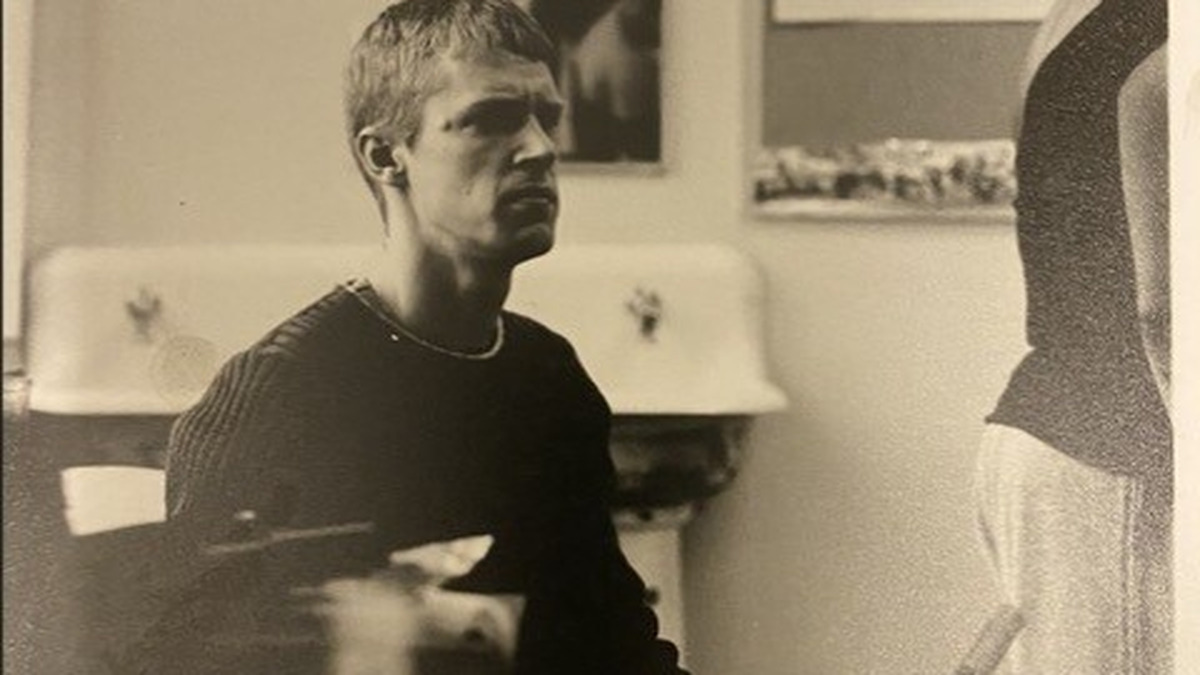
Life without accompanying
I have been feeling nostalgic about accompanying dance classes. It has been years since I have had a regular accompanying schedule, and I miss it so much.
Subscriber access required
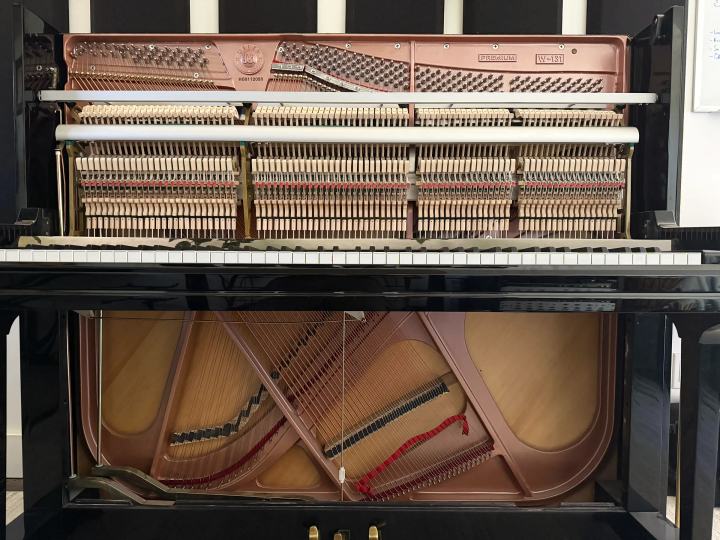
Push a Key
I first played the piano in middle school.
Subscriber access required
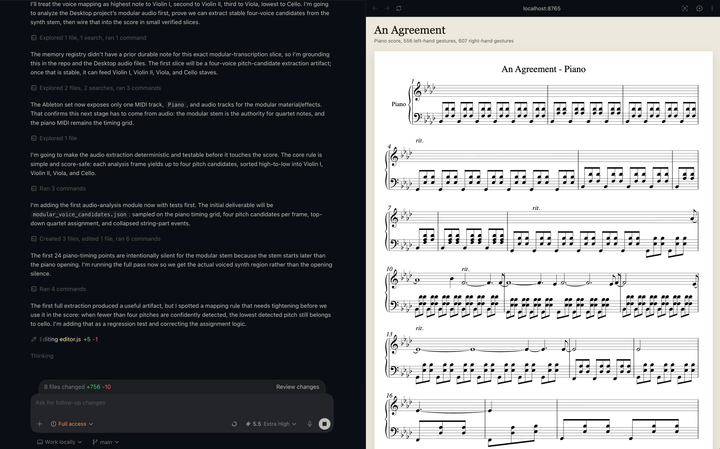
Codex for Musicians: Notation, Arranging, and Transcription
Last week, Codex helped me with a new area of work as a composer, and it blew my mind again.
Subscriber access required
Teaching My Smart Friends AI
"If you can, always try to play with folks on a different level than you." Kenny Barron, Jazz Pianist
Subscriber access required
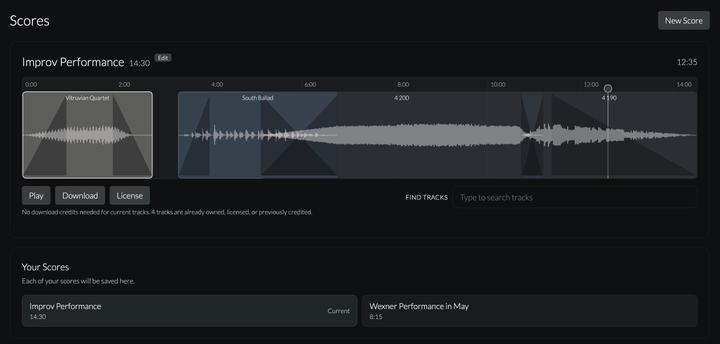
Scores
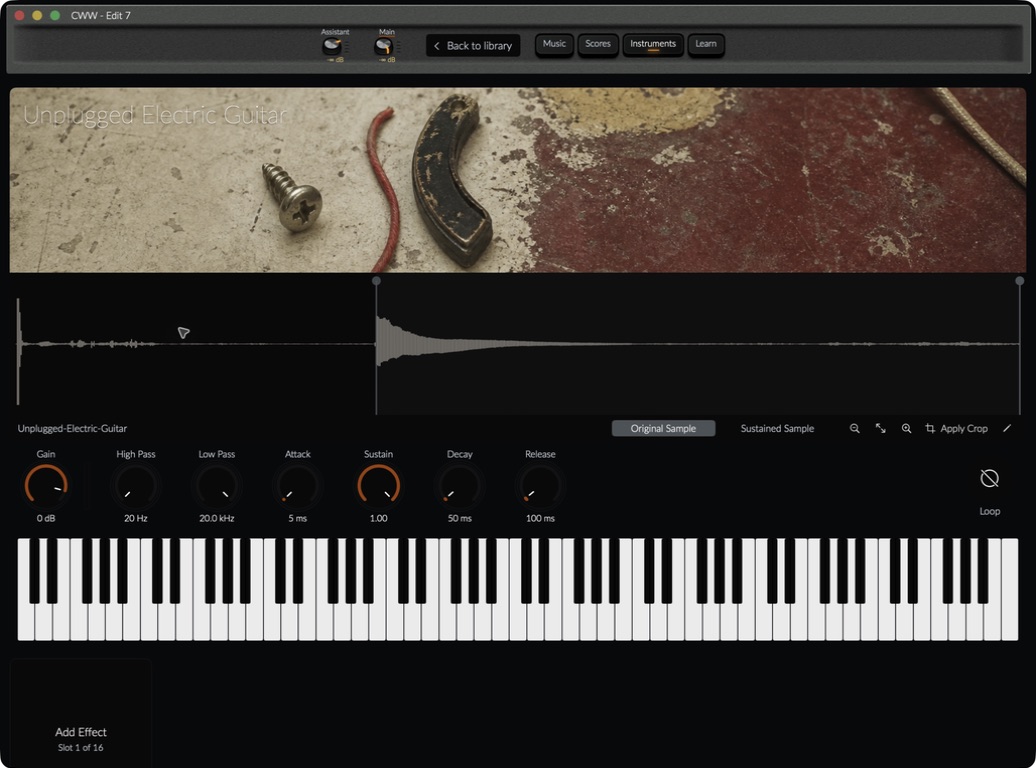
Scores is a new tool I’ve made for editing and mixing music from Sound for Movement right on the website.
ChatGPT Pro as a First Hire
Over the past year I have treated my ChatGPT, and the ecosystem of tools being developed by OpenAI, as a first hire.
Subscriber access required
Rhythm
Rhythm is a felt understanding of what’s happening within us and around us.
Subscriber access required
Musicians in Dance
"We are a niche, within a niche, within a niche."
Subscriber access required

Licensing
"Reaching out for licensing is a perfect way to initiate future collaborations."
Subscriber access required
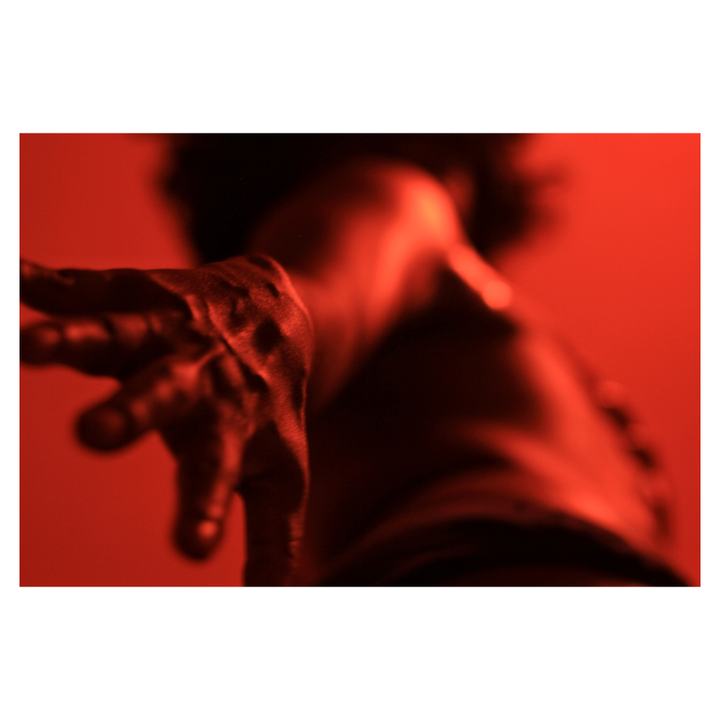
Remote Collaborations
"I no longer need to travel to see a rehearsal of a piece, which allows me to work with anyone with access to the internet."
Subscriber access required
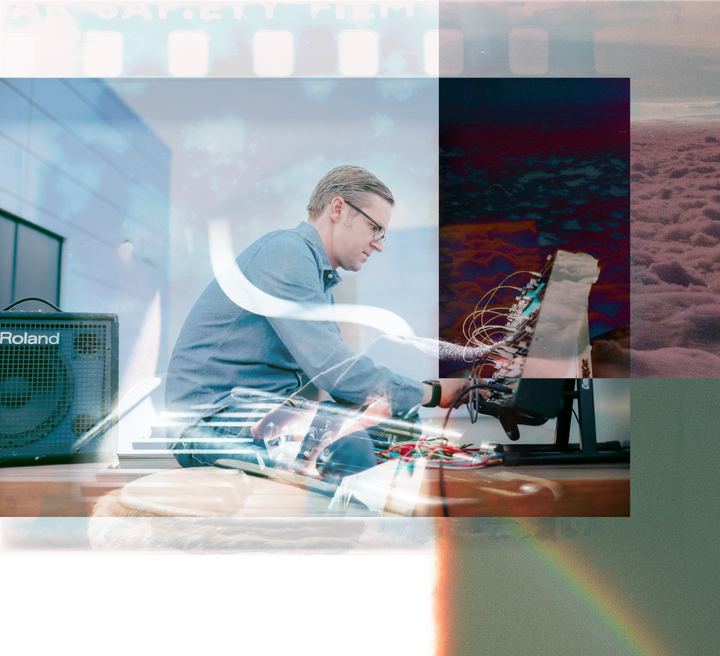
Working with an Accompanist
"Communication struggles that happen in a class can be averted by taking 15 minutes to connect beforehand."
Subscriber access required
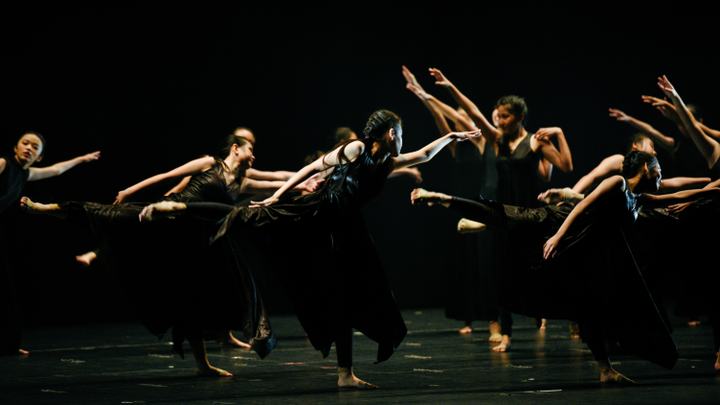
Budgets
"A budget has nothing to do with respect, self worth or fairness."
Subscriber access required
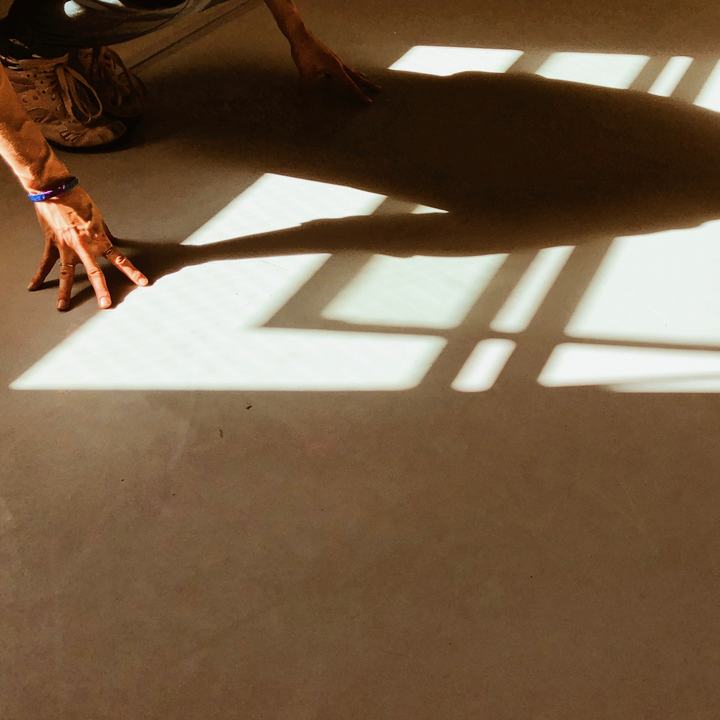
Music and Process
"There is no right or wrong time for music to come into the choreographic process."
Subscriber access required
Starting a Collaboration
"Collaborations can be a place to learn something new about your own process."
Subscriber access required

Open Time
"Music with no counts, or open time, is most often called ambient."
Subscriber access required
Teach / Watch Phrases
"Practicing as a group makes musical concepts much more approachable."
Subscriber access required
Music and Movement in 4
"The most common meter is 4, but that does not make it any more or less complex."
Subscriber access required
Music and Movement in 5
"Accents play a huge role in how meters feel when counted."
Subscriber access required
Music and Movement in 7
"Every meter can be counted at any tempo."
Subscriber access required
Beat, Pulse, Tempo, and Meter
"A person is not a better or worse dancer if they choose to use, or not use, counting with movement."
Subscriber access required
Listening to music is a practice.
Beyond how we listen and where we listen, there are many ways we can listen to music while introducing physical practices.
Subscriber access required

Music and Movement in 3
"Meters are “containers” for counted movement."
Subscriber access required
Choosing Music
"Search for music with someone in mind."
Subscriber access required

The Tiny Dance
"Music can create an environment where even the smallest movement from a dancer can be framed and influenced."
Subscriber access required
Timbre
"Is this a trombone or a marimba?"
Subscriber access required
Choreographic Listening
"The more you practice speaking about your choreography, the easier it will be to collaborate with others."
Subscriber access required
Musical Imagination
"There is no "special or specific" way to speak about music in dance."
Subscriber access required
Playlists
"Give students as many different experiences moving to as many different types of music as possible."
Subscriber access required

Embodied Musical Knowledge
"Dancers are not beginners at music."
Subscriber access required